
9 January 2026 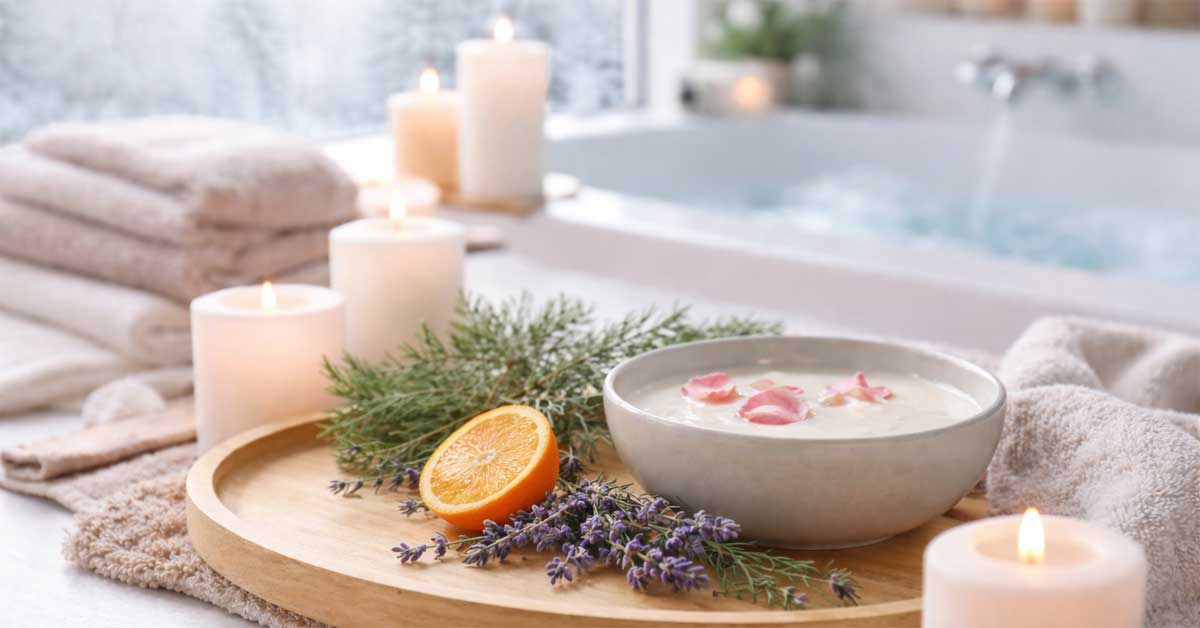 Winter as a Reminder of the Value of HomeIn early January, Vienna is firmly in the grip of winter. Sub-zero temperatures, snow-covered streets and icy pavements transform the city into a quiet, almost enchanted landscape. Roofs, trees and sidewalks appear dusted with sugar, and the urban scenery takes on a fairy-tale quality. It is undeniably beautiful – and at the same time cold, slippery and physically demanding. Outdoor activities become less inviting, daily routines more exhausting. In this season, the home gains a different status: not merely a place to live, but a space for recovery, warmth and regeneration.Especially when the body is exposed to cold and tension, physical rest becomes essential. Warmth is not only a question of comfort; it plays a central role in muscle relaxation, circulation and overall well-being. Rituals that consciously slow down the pace of the day can support this process. Warm baths, foot soaks or quiet moments in the bathroom help the body to switch from activity to recovery – and they also have a noticeable effect on the mind. In this context, essential oils play an important role. Their effects are not limited to pleasant fragrance. Scientifically, essential oils are complex mixtures of volatile, fat-soluble plant compounds. When inhaled, their molecules reach the brain via the olfactory nerve and directly stimulate the limbic system, which is responsible for emotions, memory and motivation. When applied to the skin in diluted form, they can penetrate into the bloodstream and influence physiological processes. Research shows that many essential oils have measurable effects: antibacterial, antiviral and anti-inflammatory properties have been demonstrated in some laboratory studies; other components interact with the nervous system and can reduce stress perception or pain signals. Clinical research confirms, for example, that lavender oil can lower cortisol levels and support sleep, while peppermint oil is effective against tension headaches. Citrus oils such as lemon or bergamot are associated with improved mood and mental clarity. At the same time, subjective perception and learned associations play a role – similar to other approaches that aim to enhance well-being. This does not diminish their effect, but underlines the importance of mindful and informed use. Among the most widely used essential oils are true lavender (calming and sleep-supporting), peppermint (cooling and concentration-enhancing), eucalyptus (supporting the respiratory system), tea tree (antimicrobial), lemon (refreshing and mood-lifting) and bergamot (balancing and emotionally stabilising). Oils such as frankincense, cinnamon or vanilla are also valued in winter for their grounding, warming or comforting qualities. Quality is crucial: the documented effects apply only to natural, unadulterated essential oils with clearly defined botanical origin and known chemical composition. Natural Aromatherapy and the Role of PrimaveraOne company that has specialised in natural aromatherapy for decades is Primavera. Founded and based in Germany, the company focuses on plant-based products for aromatherapy, natural cosmetics and holistic well-being. Its portfolio ranges from essential oils and ready-made blends to skincare products, with a clear emphasis on sustainably sourced raw materials.Do-it-yourself applications are a central theme at Primavera. Through its in-house academy, the company offers both free and paid courses that provide practical knowledge about essential oils, their properties and safe use. This educational approach reflects a broader philosophy: empowering users to apply products independently and according to their individual needs. Bath Rituals and the Importance of EmulsifiersIn a recent press release, Primavera shared practical tips on how essential oils can be used in the bathroom to create warming bath rituals. A key point is the use of emulsifiers. Essential oils do not dissolve in water; without an emulsifier, they would float on the surface and could irritate the skin. Substances such as cream, plant-based cream alternatives or sea salt act as carriers, allowing the oils to disperse evenly in the bathwater and unfold their effect gently and safely.The company published several recipes with precisely defined quantities, including the Milk Bath "Heart Opener", which combines rose and sandalwood oils, and the Cold-Season Bath for Free Breathing featuring thyme thymol. Among the more recently released cold-weather suggestions is the Evening Bath for Calm and Balance, formulated with mountain pine and orange oils. This recipe, like others, is also available in the company's online DIY and ritual section. Personal Care as a Creative ProcessPrimavera's website features a dedicated section for DIY recipes, offering further ideas for individual body care formulations. It shows how essential oils can be combined depending on mood, physical needs or the time of day. This approach turns personal care into a creative process: selecting oils, adjusting blends and developing personal rituals. Especially in winter, such practices add variety to everyday routines and encourage an active engagement with one's own well-being – transforming the bathroom into a private space of warmth and recovery.Image: A calm winter bathroom scene with a wooden tray holding fresh herbs, citrus and a bowl for bath rituals, candles glowing softly as snow-covered trees appear through the window. Photo: © Fashion.at / Generated with ChatGPT (OpenAI) |