
7 April 2026 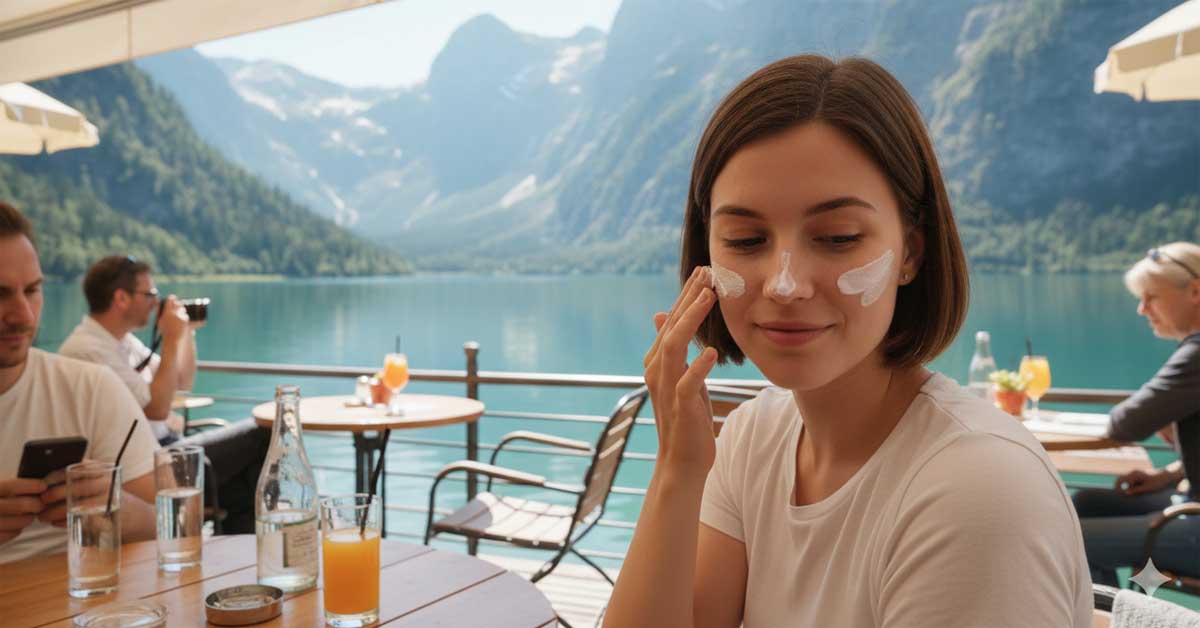 On 7 April, World Health Day highlights the importance of prevention and public health worldwide. Established by the World Health Organization in 1950, the date commemorates the organization's founding in 1948 in Geneva. In the decades after 1950, both research and public awareness of UV-related skin damage remained limited. Today, sun protection is considered one of the key preventive measures consumers can take to safeguard their skin. From Ancient Protection to Modern ScienceHuman approaches to sun protection date back thousands of years. In ancient Egypt, plant extracts were used to shield the skin. In classical antiquity, oils such as olive oil were applied, though they offered little real UV protection. For centuries, avoiding the sun—through clothing, hats, or social norms favoring pale skin—was the primary strategy. Modern sunscreen emerged in the 20th century. In the 1930s and 1940s, early formulations were developed in Europe and the United States. A decisive step came in 1962, when the concept of the Sun Protection Factor (SPF) was introduced, allowing measurable comparison of protection levels. Today's products combine chemical and mineral filters to protect against both UVB (sunburn) and UVA (skin aging and deeper damage).Within the European Union, including Austria, sunscreens are regulated as cosmetic products under EU rules. To be marketed as an effective sunscreen, a product must provide at least SPF 6, protect against both UVB and UVA, and meet the EU requirement that UVA protection be at least one third of the declared SPF, which is shown by the UVA-in-a-circle symbol. Claims must not suggest total protection, and both mineral and chemical UV filters are allowed if they are approved and meet the relevant safety and labeling standards. Who Tests Sunscreens—and How?The Austrian Verein für Konsumenteninformation (VKI) is an independent consumer organization that regularly evaluates products on the market. Its latest test, released today, focuses on facial sunscreens with SPF 50 and 50+. A total of 12 products were examined. The testing combined laboratory analysis and user trials.Key criteria included: • Accuracy of declared UV protection (UVA and UVB) • Application properties such as texture, spreadability and absorption • Environmental impact of ingredients and packaging • Clarity and correctness of labeling and claims Thirty participants assessed usability, while experts evaluated compliance with international standards. Reliable Protection—but Environmental GapsThe results show that modern sunscreens largely deliver on their promises. All tested products met their declared UV protection levels and can effectively prevent sunburn when used correctly. Nine products achieved a "good" rating, while three were rated "average." Notably, price and branding were not reliable indicators of quality. A low-cost supermarket product—Sun Kiss Sensitive by Spar—emerged as the best-value winner. At the same time, the VKI points to weaknesses in environmental performance. Packaging and ingredient sustainability remain areas where improvement is needed across all tested products.The test included brands such as Avène, Beauty of Joseon, Decathlon, Eucerin, La Roche-Posay, Lancaster, Nivea Sun, Nø Cosmetics, Spar and V.Sun. The full test results and detailed product comparisons are published on konsument.at, where readers can explore specifications, formats and ingredient details. Information Matters More Than PriceOne key takeaway is clear: the most expensive product is not necessarily the best. Reliable protection is widely available across different price segments. What matters most is informed selection—and correct application.Editorial note: Readers looking for practical guidance can consult the sun protection checklist on beautyme.com. It offers a structured overview of daily habits, product choices and timing—without overwhelming detail, but enough to support better decisions. Image: A woman applies sunscreen to her face while sitting at an outdoor table with a view of a lake and mountains. Photo: © Fashion.at, generated with Google AI Studio. |