19 December 2025
Aesthetic Medicine in Austria: From Niche to Mainstream
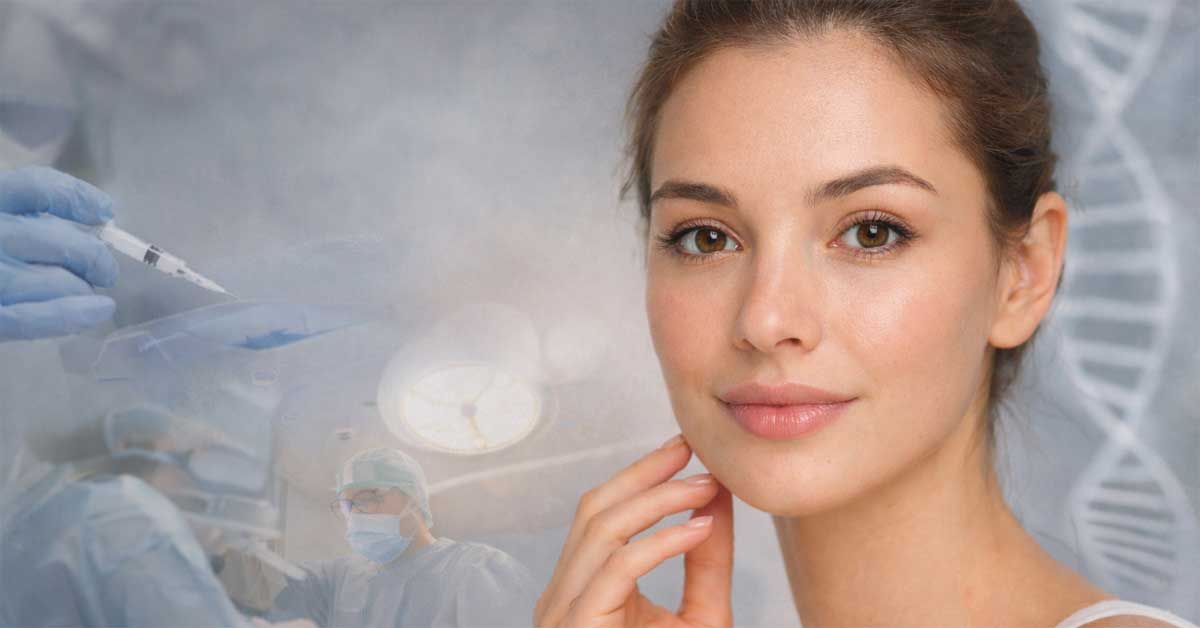
Aesthetic medicine has developed rapidly in Austria over the past decade. Experts estimate that around 40,000 to 50,000 aesthetic surgeries and more than 70,000 non-surgical treatments such as Botox or fillers are carried out each year, even though no official national statistics exist. Once a niche topic, aesthetic medicine is now used by broad population groups, including younger people and men. Treatments range from minimally invasive procedures to surgical interventions such as eyelid correction or liposuction. Fashion.at spoke with two medical doctors—who are cousins of the author—to better understand current patient wishes, new treatment methods, medical responsibility and the growing role of longevity in aesthetic medicine.
Fashion.at Interview Partners
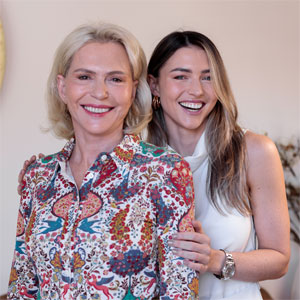
Photo: Dr. Eva Wegrostek has been specializing in gentle medical aesthetics for more than 20 years, focusing on natural, non-invasive treatments that enhance individual beauty. Since March 2025, she has been joined by her daughter, plastic and aesthetic surgeon Dr. Isabelle Sawetz-Paiva. Together, they combine long-standing experience with modern aesthetic surgery and longevity medicine.
Q: What are the most common wishes patients currently bring to your practice?
Are they looking more for subtle refreshment, prevention, or visible change?
A: Most patients today are looking for subtle refreshment rather than dramatic change.
There is a clear trend back toward natural-looking results—enhancing what is already there without changing someone's individual features or overall appearance. Many people are very aware of, and even afraid of, exaggerated results like so-called "duck lips" or overdone faces, which we see more frequently on social media.
At the same time, expectations have also increased and can sometimes become unrealistic. Social media often shows heavily edited or filtered images, and this can create the impression that these results are achievable in real life. Some patients come in thinking that a single Botox treatment can make them look 20 years younger, which of course is not realistic.
So a big part of our work today is education—helping patients understand what is possible, what looks natural, and how small, well-planned treatments can create a fresh and rested appearance without changing who they are.
Q: Which new methods or treatments are especially popular right now in medical aesthetics and aesthetic surgery?
What developments do you see as particularly meaningful for patients?
A: In general, medical aesthetics is moving strongly toward prevention and regenerative medicine.
The focus is no longer only on correcting visible signs of aging, but on supporting the body's own ability to repair and regenerate itself.
Very popular treatments right now use the body's own resources to improve skin quality and tissue health. Examples include PRP treatments, where we use components from the patient's own blood to stimulate regeneration, and fat grafting, where a patient's own fat—rich in regenerative cells—is used to improve volume and skin quality in a very natural way. There are also newer regenerative treatments based on purified DNA fragments, which help activate repair processes in the skin and support overall skin rejuvenation.
Botox continues to play an important role, especially for prevention. Used correctly and at the right time, it can help soften expression lines and slow down the development of deeper wrinkles, while still allowing the face to look natural.
Fillers, on the other hand, are sometimes viewed with more caution today, as people fear overfilled results. However, when used with the right indication and technique, they remain extremely valuable for restoring lost volume and gently repositioning facial structures, which can create a very natural rejuvenation.
In aesthetic surgery, treatments around the eye area are particularly popular. Excess skin or fat under the eyes—often referred to as eye bags—cannot be fully corrected with non-surgical treatments like lasers, fillers, or Botox. In these cases, a well-performed surgical procedure can be very effective and often makes patients look significantly more refreshed and younger.
Q: Which aesthetic treatments should only be performed by medical doctors and not by cosmeticians?
What should patients pay close attention to when choosing a practitioner?
A: All injectable treatments should be performed exclusively by medical doctors.
This includes Botox, fillers, and of course any type of aesthetic surgery. While these treatments may appear simple or routine, they carry real medical risks. Serious complications can occur, and patients are often not fully aware of them. A trained medical doctor has the anatomical knowledge and clinical experience needed to prevent complications—and, just as importantly, to recognize and treat them immediately if they occur.
The same applies to strong skin-ablative treatments, such as deep chemical peels or powerful laser treatments like CO₂ lasers. These procedures intentionally injure the skin in a controlled way to achieve rejuvenation. Without proper medical assessment, correct technique, and appropriate aftercare, they can lead to severe side effects, including infections, pigmentation problems, and permanent scarring.
When choosing a practitioner, patients should look beyond titles and social media presence.
It is important to check medical qualifications, specialized training in aesthetic medicine, and experience with the specific treatment being offered. Patients should also feel that the practitioner takes time to explain risks, alternatives, and realistic outcomes, and provides clear aftercare instructions.
Ultimately, aesthetic treatments should always prioritize safety, medical expertise, and long-term skin health, not quick fixes or trends.
Q: Longevity is becoming an important topic in aesthetic medicine.
How does longevity differ from classical aesthetic treatments, and how do you combine both approaches in your daily practice?
A: Longevity goes beyond classical aesthetic treatments.
While traditional aesthetics mainly focus on improving appearance in the present moment, longevity is about maintaining health, skin quality, and vitality over the long term—so that we age better, not just look younger.
In our practice, we see longevity as having several important pillars. One is prevention and regenerative medicine, including treatments that support the body's natural repair mechanisms, such as regenerative injectables and skin therapies. These approaches aim to strengthen tissue quality and slow down the aging process from within.
Another key aspect is lifestyle. We always encourage our patients to look at the bigger picture: good sleep, balanced nutrition, daily skincare, stress management, and movement all have a direct impact on how the skin ages and how effective aesthetic treatments will be. Without these foundations, even the best treatments can only go so far.
A further component of longevity is often referred to as biohacking. Today, we have many tools that can support cellular health and energy levels, such as intravenous therapies like NAD+, as well as practices like sauna sessions, cold exposure, and recovery-focused therapies.
Finally, there is a genetic and metabolic aspect. Through blood tests and advanced analyses, we can identify individual tendencies—such as how someone responds to inflammation, stress, or aging in certain tissues. This knowledge allows us to personalize prevention strategies and treatments much more precisely.
In daily practice, we combine aesthetic treatments with these longevity principles to create results that look natural, last longer, and support overall well-being—not just appearance.
Image, top: Photorealistic portrait of a young woman with natural skin, combined with subtle medical imagery such as a syringe, surgeons and a DNA structure, symbolizing modern aesthetic medicine. Photo: © Fashion.at / AI-generated image created with ChatGPT |